Glock 43X Guide Rod: A Comprehensive Guide
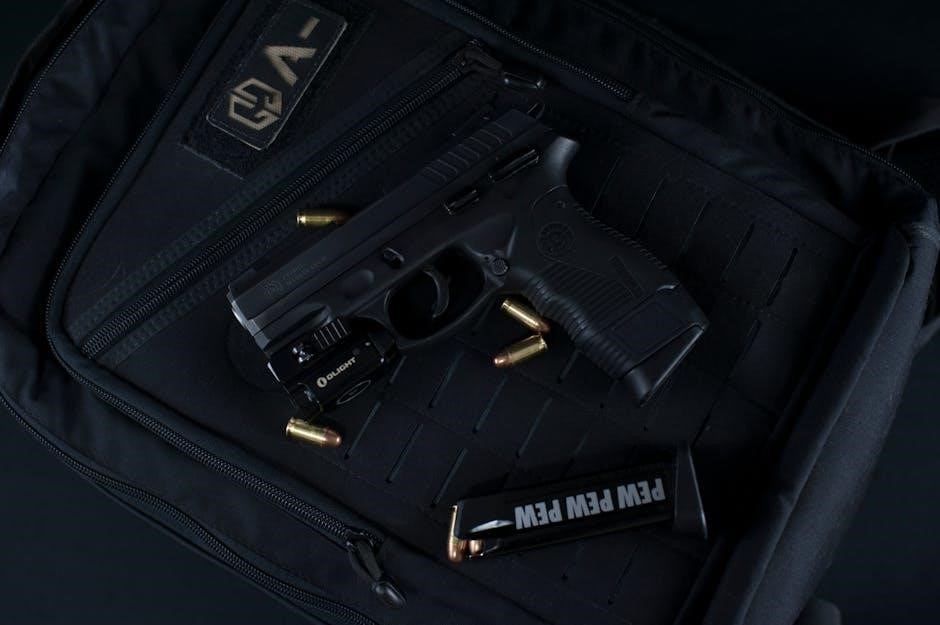
The Glock 43X, designed for concealed carry, utilizes a 3.41-inch barrel and a slimline grip. This guide explores aftermarket guide rod options, performance, and installation details.
The Glock 43X represents Glock’s response to the growing demand for a purpose-built concealed carry pistol. Released to bridge the gap between the subcompact 43 and the larger 45, the 43X boasts a compact 3.41-inch barrel, offering a balance of concealability and shootability. Crucially, it features a full-size grip, allowing for a higher capacity of 10 rounds of 9mm ammunition – a significant improvement over the standard 43.

This slimline package, measuring just over an inch wide, makes it exceptionally comfortable for all-day carry. The 43X’s design prioritizes ergonomics and control, appealing to a wide range of shooters. However, like all Glock pistols, the 43X is a modular platform, meaning components can be upgraded or replaced to enhance performance or address specific user preferences. This is where the guide rod comes into play, offering a potential avenue for recoil management and improved accuracy. Understanding the factory specifications and available aftermarket options is key to optimizing your Glock 43X experience.
What is a Guide Rod and Why Does it Matter?
The guide rod is a critical component within the Glock’s recoil spring assembly, functioning as a central axis for the spring’s movement during the firearm’s cycling process. It essentially guides the recoil spring, ensuring proper alignment and efficient energy transfer. While often overlooked, the guide rod significantly impacts recoil management, influencing both perceived recoil and recovery time.
In a Glock pistol, the guide rod plays a role in controlling the slide’s velocity during recoil and return. An upgraded guide rod can potentially alter these dynamics, leading to smoother operation and improved accuracy. Aftermarket options often aim to reduce recoil impulse, allowing for faster follow-up shots and increased control. Different materials, like steel or polymer, offer varying levels of rigidity and weight, further influencing performance characteristics. Choosing the right guide rod can fine-tune the Glock 43X to better suit individual shooting styles and preferences, enhancing the overall shooting experience.
Factory Glock 43X Guide Rod Specifications
The factory Glock 43X guide rod is constructed as a one-piece unit, integrating the guide and recoil spring capture. It’s typically manufactured from a hardened steel alloy, providing a balance between durability and flexibility necessary for reliable function within the Glock system. The original guide rod’s length is precisely calibrated to work in harmony with the specified recoil spring weight, ensuring optimal cycling and safe operation.
Glock doesn’t publicly disclose exact material compositions or hardness ratings for proprietary components like the guide rod. However, it’s understood to meet Glock’s stringent quality control standards. The factory rod’s design prioritizes simplicity and reliability, contributing to the Glock’s reputation for dependability. Its weight is relatively light, contributing to the overall manageable feel of the compact 43X pistol. Replacement of the factory guide rod is generally only recommended if experiencing malfunctions or seeking to modify recoil characteristics.
Materials Used in the Original Guide Rod
Glock utilizes a specialized hardened steel alloy in the construction of the original 43X guide rod. While the precise alloy composition remains proprietary information, it’s engineered to withstand the significant stresses generated during firearm operation. This steel is chosen for its high tensile strength, elasticity, and resistance to deformation under repeated cycling. The material undergoes a heat-treating process to achieve optimal hardness and toughness, ensuring longevity and reliability.

The selection of steel is crucial for managing recoil forces and maintaining proper alignment of the barrel and slide. Glock’s material science focuses on balancing these properties to prevent premature wear or failure. Unlike some aftermarket options, the factory guide rod doesn’t incorporate polymers or other composite materials; it’s a purely metallic component. This contributes to its consistent performance and resistance to environmental factors. The finish applied to the steel is typically a durable coating to resist corrosion.
Common Issues with the Factory Guide Rod
While generally reliable, the factory Glock 43X guide rod isn’t without potential drawbacks. Some users report experiencing increased felt recoil, particularly with higher-pressure ammunition, due to the relatively stiff recoil spring assembly. This can lead to quicker fatigue during extended shooting sessions. Another reported issue involves the guide rod contributing to a perceived “snappiness” in the pistol’s recoil impulse.

Although rare, instances of the guide rod exhibiting minor deformation over extended high-round-count use have been documented. This can subtly affect the timing of the pistol’s cycling and potentially impact accuracy. Furthermore, some individuals find the disassembly process involving the factory guide rod slightly cumbersome, requiring specific tools or techniques. These issues, while not widespread, often motivate shooters to explore aftermarket alternatives designed to address these concerns and enhance the shooting experience.
Aftermarket Guide Rod Options
The market offers a diverse range of aftermarket guide rod options for the Glock 43X, catering to various preferences and budgets. These generally fall into three main categories: steel, polymer, and hybrid designs. Steel guide rods aim to reduce recoil by offering increased mass and rigidity, potentially improving cycling reliability. Polymer options prioritize weight reduction, aiming for a smoother recoil impulse and easier disassembly.

Hybrid guide rods attempt to blend the benefits of both materials, often featuring a steel recoil spring rod with a polymer guide. Numerous brands, such as LaserMax and others, produce these components. Choices often depend on the shooter’s desired outcome – recoil mitigation, faster follow-up shots, or simplified maintenance. Careful consideration of material properties and intended use is crucial when selecting an aftermarket guide rod for optimal performance and reliability within the Glock 43X platform.
Steel Guide Rods: Benefits and Drawbacks
Steel guide rods for the Glock 43X offer significant advantages in terms of recoil management; Their increased mass helps to dampen the recoil impulse, potentially leading to faster follow-up shots and improved accuracy. The rigidity of steel also contributes to more consistent cycling of the slide, enhancing reliability. However, this added mass can slightly increase the overall weight of the firearm, which may be a concern for concealed carry.
Drawbacks include a potentially harsher recoil feel despite the reduced movement, as the energy is transferred more directly to the shooter’s hand. Installation can sometimes be more challenging compared to polymer options. Furthermore, some shooters report increased wear on the Glock’s frame over time with prolonged use of steel guide rods. Careful selection of a quality steel guide rod and proper lubrication are essential to mitigate these potential issues and maximize performance.
Polymer Guide Rods: Benefits and Drawbacks
Polymer guide rods present a lightweight alternative to steel for the Glock 43X, appealing to those prioritizing minimal weight for concealed carry. They generally reduce the overall firearm weight, enhancing comfort during extended periods. Installation is typically easier than with steel rods, requiring less force and potentially reducing the risk of frame damage. Polymer rods also offer inherent corrosion resistance, making them suitable for various environmental conditions.
However, polymer rods generally offer less recoil mitigation compared to their steel counterparts. The lighter weight means less mass to absorb the recoil impulse, potentially resulting in a snappier recoil feel. Durability can also be a concern, as polymer is susceptible to wear and deformation over time, especially with high-volume shooting. Choosing a high-quality polymer rod from a reputable manufacturer is crucial to ensure longevity and reliable performance.
Hybrid Guide Rods: Combining Materials
Hybrid guide rods for the Glock 43X attempt to bridge the gap between the benefits of steel and polymer, offering a balanced approach to recoil management and weight reduction. These rods typically feature a steel recoil spring captured within a polymer housing or utilize a polymer body reinforced with steel components at critical stress points.
The goal is to retain some of the recoil-absorbing qualities of steel while minimizing the overall weight increase compared to a full steel rod. This design can offer a noticeable improvement in recoil control over purely polymer options, without the added heft of a solid steel rod. However, hybrid rods can be more expensive than either steel or polymer alternatives. Careful consideration of the materials used and the manufacturing quality is essential to ensure durability and reliable function within the Glock 43X’s operating system.
Installation of an Aftermarket Guide Rod
Installing a Glock 43X aftermarket guide rod requires basic firearm disassembly knowledge and a few essential tools. Before beginning, always ensure the firearm is unloaded and clear in a safe direction. Field stripping the Glock 43X involves removing the slide from the frame, which is a standard procedure detailed in the owner’s manual.
Once the slide is disassembled, the factory guide rod can be removed by compressing the recoil spring and sliding the rod out of its housing. Installing the new guide rod involves reversing this process – carefully inserting the rod, compressing the spring, and ensuring it seats correctly within the slide. Proper alignment is crucial for reliable operation. A slight amount of lubrication on the guide rod and spring can aid in smooth cycling. Reassemble the Glock 43X and function test to verify proper operation before carrying.
Tools Required for Installation
Successfully installing a Glock 43X aftermarket guide rod doesn’t demand a fully equipped gunsmithing bench, but a few key tools are essential. First, a Glock-specific disassembly tool, or a suitable punch set, is needed to safely remove the slide stop pin. This prevents damage to the firearm during disassembly. A pair of pliers, preferably with polymer jaws to avoid scratching, can assist in compressing the recoil spring during guide rod removal and installation.
Additionally, a quality gun lubricant is vital for ensuring smooth operation and preventing wear. A small container to hold small parts during disassembly is also highly recommended. While not strictly necessary, a magnetic parts tray can be incredibly helpful. Finally, a clean, well-lit workspace is crucial for preventing lost parts and ensuring a careful, methodical installation process. Safety glasses are always advised during any firearm maintenance.
Step-by-Step Installation Guide
Begin by ensuring the Glock 43X is unloaded and safe. Use the disassembly tool to remove the slide stop pin, then carefully separate the slide from the frame. Compress the recoil spring and remove the factory guide rod. Now, apply a thin coat of quality gun lubricant to the new guide rod and recoil spring. Insert the recoil spring over the new guide rod.
Carefully insert the assembled guide rod and spring into the slide’s recoil spring channel. Ensure it’s fully seated. Reassemble the slide onto the frame, aligning the rails. Replace the slide stop pin, ensuring it’s fully engaged. Function-check the slide, verifying smooth operation and proper recoil spring compression. Repeat the function check several times to confirm reliable performance before live firing. Always prioritize safety during this process.
Recoil Reduction and Performance Improvements
Aftermarket guide rods often aim to mitigate felt recoil in the Glock 43X. Steel guide rods, due to their increased mass, can contribute to a slightly slower recoil impulse, potentially reducing muzzle flip. Polymer options, while lighter, may offer a smoother recoil experience by absorbing some energy. However, the degree of recoil reduction varies significantly based on the specific rod’s design and material.
Performance improvements aren’t always dramatic, but a properly fitted guide rod can enhance cycling reliability, especially with lighter ammunition. Some shooters report improved accuracy due to the more consistent recoil management. It’s crucial to remember that a guide rod is one component of a larger system; other factors like grip, stance, and trigger control play a more significant role in overall performance.
Impact on Accuracy
The influence of an aftermarket guide rod on the Glock 43X’s accuracy is often subtle and debated among shooters. While a guide rod doesn’t fundamentally alter the barrel’s inherent precision, it can contribute to more consistent lockup during recoil. This consistency, in turn, may lead to tighter groupings, particularly during rapid fire.

However, improvements are heavily dependent on the shooter’s skill and the quality of other components. A poorly installed or incompatible guide rod could actually decrease accuracy. Factors like trigger control, sight alignment, and ammunition choice will always have a more pronounced effect. Expect marginal gains, if any, and prioritize fundamental shooting techniques before investing solely in a guide rod for accuracy enhancement.

Reliability Considerations with Aftermarket Guide Rods
Switching to an aftermarket guide rod in your Glock 43X introduces potential reliability concerns that demand careful consideration. While many aftermarket options are rigorously tested, deviating from factory specifications always carries a risk. Issues can arise from improper fit, causing the slide to bind or fail to fully cycle.
Specifically, ensure the chosen rod is fully compatible with your firearm and installed correctly. Polymer rods, while reducing recoil, may be more susceptible to wear or deformation over time, potentially impacting function. Steel rods, though durable, require proper lubrication to prevent friction-related failures. Thorough testing with a variety of ammunition is crucial to confirm reliable operation before relying on the modified firearm for self-defense.
Top Brands for Glock 43X Guide Rods
Several reputable brands specialize in Glock 43X guide rod upgrades, each offering distinct features and price points. LaserMax has emerged as a notable innovator, debuting advanced solutions for Glock platforms. NRA-supported resources often highlight quality aftermarket parts, implicitly endorsing brands committed to firearm performance and reliability.
Other prominent manufacturers include companies focused on recoil management and precision engineering. These brands typically offer options in steel, polymer, and hybrid materials, catering to diverse shooter preferences. Researching user reviews and independent testing data is crucial when selecting a brand. Prioritize companies with a proven track record of quality control and customer support to ensure a reliable and long-lasting upgrade for your Glock 43X.
Price Comparison of Different Options
Glock 43X guide rod prices vary significantly based on material and brand. Factory Glock guide rods are, of course, the least expensive, typically bundled with the firearm itself. Polymer guide rods generally fall in the $20-$40 range, offering a budget-friendly recoil reduction solution.
Steel guide rods command a higher price, ranging from $40 to $70, reflecting their increased durability and potential for more substantial recoil mitigation. Hybrid options, combining steel and polymer elements, often sit in the $50-$80 bracket. Premium brands like LaserMax, known for innovation, may exceed these price points. Considering the potential performance gains and increased longevity, investing in a quality aftermarket guide rod can be a worthwhile expense for serious Glock 43X owners.
Where to Purchase a Glock 43X Guide Rod
Glock 43X guide rods are widely available through numerous online and brick-and-mortar retailers. Major online gun parts suppliers, such as MidwayUSA, Brownells, and OpticsPlanet, consistently stock a diverse selection of options from various brands. Carvana, while primarily an automotive retailer, doesn’t directly sell firearm parts.
Local gun stores provide the benefit of in-person consultation and immediate availability. Amazon also carries a range of guide rods, but verifying seller reputation is crucial. Direct purchases from manufacturer websites, like LaserMax, are another avenue, potentially offering exclusive deals or product information. Comparing prices across multiple vendors is recommended to secure the best possible deal, factoring in shipping costs and potential sales tax. Ensure the retailer is reputable and complies with all applicable firearm parts regulations.